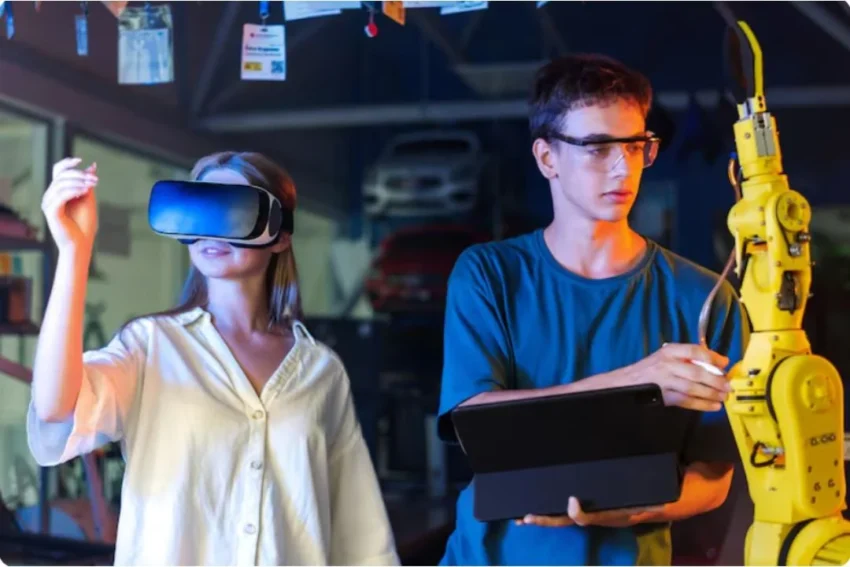
Introduction to Tech Innovations
In the 21st century, few concepts have shaped the world as profoundly as Tech Innovations. From the way we communicate to the way we work, learn, and entertain ourselves, technological advancements have redefined nearly every aspect of human life. But what exactly do we mean by tech innovations? At its core, this term refers to the development and implementation of new technologies or improvements to existing ones that drive progress, efficiency, and creativity across various sectors. These innovations are not merely gadgets or software; they represent transformative solutions that address real-world challenges, enhance productivity, and create new opportunities for individuals and societies alike.
The importance of tech innovations cannot be overstated. In every corner of the globe, technology influences economic growth, social interactions, healthcare, education, and environmental sustainability. For instance, innovations in renewable energy technologies are helping combat climate change, while advancements in medical technology are enabling treatments and cures that were unimaginable just a few decades ago. The digital revolution, driven by breakthroughs in computing, artificial intelligence, and telecommunications, has connected people in unprecedented ways, fostering global collaboration and knowledge sharing.
Historical Evolution of Tech Innovations
Understanding Tech Innovations today requires a journey into history. Technology has always been a reflection of human curiosity, creativity, and the drive to solve problems. From simple tools to complex machines, each innovation has built upon previous discoveries, creating a chain of progress that has shaped societies, economies, and cultures over millennia. By exploring the historical evolution of tech innovations, we can better appreciate the transformative power of technology and understand how past breakthroughs continue to influence modern advancements.
Early Technological Inventions
Long before the digital age, humans were innovating to survive, thrive, and improve quality of life. Early technological inventions, though simple, laid the groundwork for future tech innovations. The wheel, one of humanity’s earliest inventions, revolutionized transportation and trade, enabling the movement of goods and people across vast distances. Similarly, tools made from stone, bronze, and iron allowed humans to shape their environment, build structures, and improve agricultural productivity.
The invention of the printing press in the 15th century by Johannes Gutenberg is a prime example of an early tech innovation that had lasting societal impact. It democratized access to knowledge, enabling mass communication and education, which in turn fueled further innovations. Each advancement, whether a simple tool or a complex machine, illustrates how tech innovations have historically addressed immediate human needs while laying the foundation for future developments.
The Industrial Revolution and Technological Advancements
The Industrial Revolution, which began in the late 18th century, marked a turning point in human history. During this era, mechanization transformed agriculture, manufacturing, and transportation. Steam engines, mechanized looms, and iron production technologies increased efficiency and output, driving economic growth on an unprecedented scale. These tech innovations not only reshaped industries but also altered social structures, creating urban centers and new labor dynamics.
Electricity emerged as another critical innovation, powering industries, homes, and public infrastructure. The development of telegraphs and railways further connected regions, accelerating the flow of information, goods, and people. This period demonstrates how tech innovations can multiply human capacity, catalyze economic development, and redefine the very fabric of society.
20th-Century Tech Innovations
The 20th century witnessed an explosion of tech innovations that continue to influence our world today. The advent of computers and digital technology revolutionized information processing, communication, and scientific research. The internet, initially a military project, became a global platform connecting billions of people, fostering collaboration, and creating entirely new industries. Mobile technology further extended connectivity, making information, communication, and entertainment accessible anytime and anywhere.
In medicine, innovations such as antibiotics, vaccines, and advanced surgical techniques transformed healthcare, saving millions of lives. In transportation, automobiles and airplanes redefined mobility and commerce, shrinking distances and connecting economies globally. Even space exploration, once a distant dream, became a reality with moon landings, satellites, and interplanetary missions, highlighting the limitless potential of human ingenuity.
These 20th-century breakthroughs exemplify how tech innovations are not isolated events but part of a continuum, building upon earlier knowledge while opening doors to entirely new possibilities. The integration of computing, communication, and biotechnology illustrates the increasing convergence of technologies, a trend that continues to accelerate in the modern era.
Lessons from Past Innovations
Examining the history of tech innovations reveals several critical lessons. First, innovation often arises from necessity—whether to solve survival challenges, increase efficiency, or improve quality of life. Second, technological advancements rarely exist in isolation; they thrive within ecosystems of knowledge, resources, and societal readiness. Third, while innovations bring progress, they can also create disruption, as seen with labor displacement during the Industrial Revolution or privacy challenges in the digital age.
These lessons underscore the importance of thoughtful integration of new technologies. Understanding the successes and failures of historical tech innovations allows modern society to adopt advancements more strategically, mitigate risks, and maximize benefits for individuals, communities, and industries.
From Historical to Modern Tech Innovations
The evolution of technology illustrates a clear trajectory: from simple tools to complex machines, and now to intelligent systems that enhance decision-making and creativity. Modern tech innovations such as artificial intelligence, robotics, and biotechnology are the latest chapters in this long story. They are built on centuries of accumulated knowledge and continuous experimentation, demonstrating that progress is both iterative and exponential.
For example, modern computing technology owes its existence to early mechanical calculators and basic electrical circuits. The smartphone, now an indispensable tool, is the result of decades of innovation in telecommunications, computing, and miniaturization. Even breakthroughs in renewable energy and space exploration draw upon centuries of scientific discovery and engineering experimentation.
Conclusion of Historical Evolution
The historical evolution of tech innovations highlights a simple yet profound truth: technology is both a product and a driver of human progress. Each era of innovation builds on the past, creating opportunities for growth, efficiency, and societal transformation. By studying these historical patterns, we can better understand how modern technologies emerged, how they affect our lives today, and how they may shape the future.
From early tools and the printing press to the Industrial Revolution and the digital era, history shows that tech innovations are inseparable from human ambition and creativity. They not only solve practical problems but also inspire new possibilities, pushing humanity toward an ever-more connected, efficient, and innovative world.
FAQs: Tech Innovations
1. What are tech innovations?
Tech innovations refer to the development and implementation of new technologies or significant improvements to existing ones. These innovations aim to solve problems, improve efficiency, and create opportunities across industries, daily life, and society as a whole.
2. Why are tech innovations important?
Tech innovations drive economic growth, enhance productivity, improve healthcare, advance education, and make daily life more convenient. They also play a crucial role in addressing global challenges, such as climate change, resource management, and sustainable development.
3. Can you give examples of historical tech innovations?
Historical examples of tech innovations include the wheel, the printing press, the steam engine, electricity, and the telegraph. Each of these inventions transformed society by improving efficiency, communication, and accessibility.
4. How have tech innovations changed modern life?
Modern tech innovations like smartphones, the internet, artificial intelligence, and smart home devices have transformed communication, healthcare, transportation, and entertainment. They make information more accessible, improve convenience, and enhance productivity in both personal and professional settings.
5. What are the key areas of modern tech innovations?
The key areas include:
- Artificial Intelligence (AI) and machine learning
- Robotics and automation
- Biotechnology and medical technology
- Renewable energy and green technologies
- Space exploration
6. What role do tech innovations play in business?
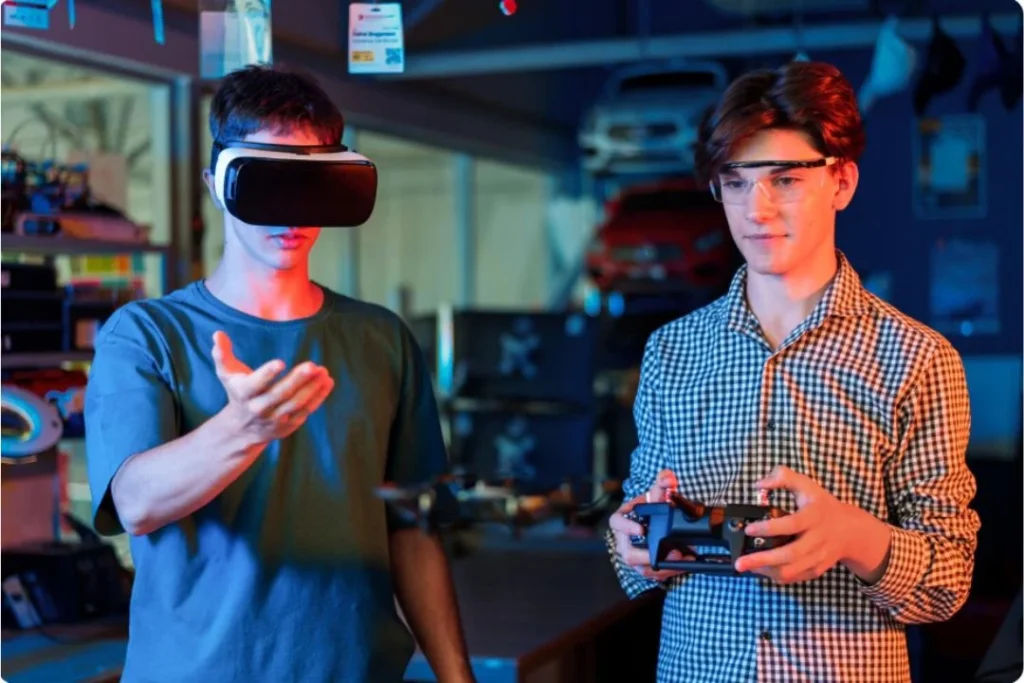
Businesses leverage tech innovations to increase efficiency, reduce costs, enhance customer experiences, and gain competitive advantages. Examples include automation in manufacturing, digital transformation, e-commerce platforms, and fintech solutions.
Conclusion: The Impact and Future of Tech Innovations
Tech innovations have transformed the world in ways that were unimaginable just a few decades ago. From the earliest tools and machines to cutting-edge artificial intelligence, biotechnology, and space exploration, technological advancements have consistently redefined how humans live, work, and interact. These innovations are more than mere gadgets or software—they are catalysts for progress, driving economic growth, improving quality of life, and addressing complex global challenges.
The history of tech innovations demonstrates that every breakthrough builds upon the achievements of the past. Early inventions like the wheel, the printing press, and the steam engine laid the foundation for modern technologies, highlighting the cumulative nature of human ingenuity. Today, innovations in areas such as AI, robotics, renewable energy, and healthcare continue this legacy, shaping industries and daily life while opening new possibilities for the future.
Moreover, tech innovations are not confined to a single sector; they permeate every aspect of society. They enable businesses to operate more efficiently, healthcare systems to deliver better care, educational institutions to expand access, and individuals to live more connected and productive lives. At the same time, these advancements come with challenges, including ethical considerations, privacy concerns, and workforce disruptions, which require careful management and responsible adoption.
Looking ahead, the potential of tech innovations is virtually limitless. Emerging technologies like quantum computing, brain-computer interfaces, nanotechnology, and space colonization promise to redefine the boundaries of human capability. By embracing these innovations responsibly, societies can harness their benefits while mitigating risks, ensuring that technology continues to serve as a force for positive change.
In conclusion, tech innovations are the heartbeat of modern civilization. They reflect humanity’s creativity, ambition, and drive to improve the world. As we continue to innovate, adapt, and explore, these advancements will shape a future that is smarter, more connected, and more capable than ever before. Understanding, embracing, and ethically applying tech innovations is essential for anyone who wants to thrive in the rapidly evolving landscape of the 21st century and beyond.