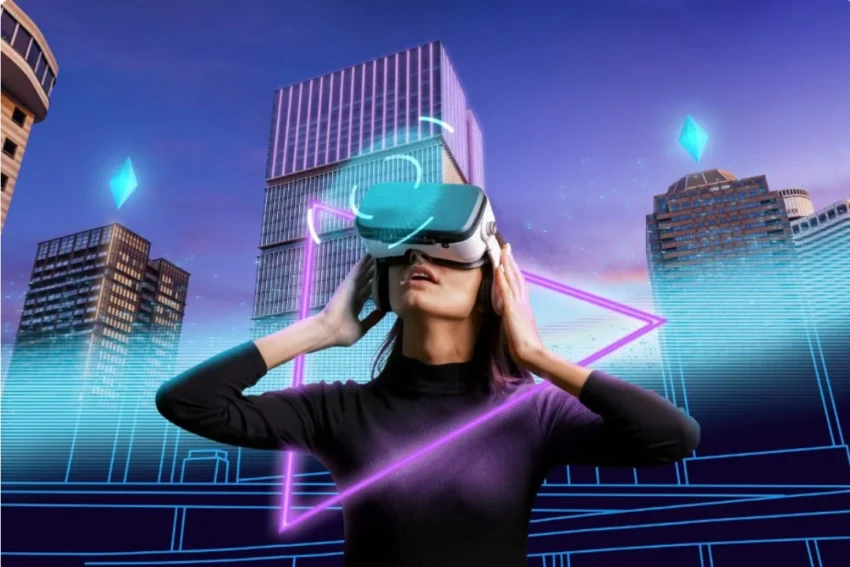
Latest Technology Trends: Introduction
In today’s fast-paced world, technology evolves at an unprecedented rate. Staying updated with the latest technology trends is no longer a luxury; it has become a necessity for individuals, businesses, and governments alike. Technology touches every aspect of modern life—from the way we communicate, work, and learn, to how we travel, shop, and entertain ourselves. The rapid pace of innovation brings both opportunities and challenges, shaping the way society functions and influencing the global economy.
The term “latest technology trends” refers to the newest developments, tools, and innovations emerging in various technological domains. These trends often indicate the direction in which industries are moving and highlight areas where significant growth and disruption are expected. For businesses, understanding these trends can provide a competitive advantage, allowing them to adopt new solutions before their competitors. For individuals, it can open doors to new career opportunities, improved efficiency, and better connectivity.
Over the past decade, we have witnessed revolutionary changes in multiple technological fields. Artificial Intelligence (AI) and Machine Learning (ML) have transformed industries by enabling data-driven decision-making and automating complex processes. The Internet of Things (IoT) has connected everyday devices to the internet, allowing for smarter homes, cities, and workplaces. Quantum computing, though still in its nascent stage, promises to solve problems that were previously considered intractable. These advancements represent just a fraction of the broader landscape of latest technology trends, which is constantly evolving and expanding.
The importance of staying informed about latest technology trends cannot be overstated. Companies that fail to keep up with technological advancements risk falling behind in innovation and efficiency. Similarly, professionals who ignore emerging technologies may find themselves at a disadvantage in the job market. On the other hand, those who actively follow and adapt to new trends can benefit from enhanced productivity, increased profitability, and access to cutting-edge tools that redefine how work and life are approached.
Chapter 2: Emerging Technologies
In the ever-evolving world of technology, emerging technologies are at the forefront of innovation and progress. Keeping up with these developments is crucial for individuals, businesses, and governments striving to remain competitive and relevant. Among the most significant latest technology trends are Artificial Intelligence (AI), Machine Learning (ML), Quantum Computing, and the Internet of Things (IoT). Each of these technologies is not only transforming industries but also redefining the way people live and work.
1. Artificial Intelligence (AI)
Artificial Intelligence has emerged as one of the most influential latest technology trends of the 21st century. AI refers to the simulation of human intelligence in machines, enabling them to perform tasks that would normally require human cognition. These tasks include problem-solving, decision-making, natural language processing, and pattern recognition.
AI has found applications across various industries. In healthcare, AI algorithms assist in diagnosing diseases with higher accuracy than ever before. For example, AI-powered imaging tools can detect early signs of cancer from medical scans. In finance, AI systems analyze massive datasets to detect fraudulent transactions, optimize investment strategies, and provide personalized financial advice. AI also drives automation in manufacturing, helping factories increase efficiency, reduce errors, and optimize supply chains.
A key aspect of AI’s impact on latest technology trends is its ability to learn and improve over time. Machine learning, a subset of AI, allows systems to analyze historical data, recognize patterns, and make predictions without explicit programming. This adaptability makes AI a powerful tool for businesses seeking to gain insights from data and stay ahead in competitive markets.
Furthermore, AI is increasingly shaping consumer experiences. Virtual assistants like Siri, Alexa, and Google Assistant, which rely on AI technologies, are becoming integral to daily life, helping users manage tasks, control smart home devices, and access information quickly. AI-driven recommendation systems on platforms like Netflix, Amazon, and Spotify personalize user experiences, demonstrating how AI is influencing both business strategies and daily interactions.
2. Machine Learning (ML)
Machine Learning is a critical component of the broader AI ecosystem. As one of the latest technology trends, ML focuses on creating algorithms that allow machines to learn from data and improve their performance over time. Unlike traditional software, which relies on predefined instructions, ML systems can adapt to changing inputs and generate insights based on patterns in the data.
Industries are leveraging ML for predictive analytics, customer personalization, and operational efficiency. In marketing, ML algorithms analyze consumer behavior to deliver highly targeted campaigns, increasing engagement and conversion rates. In logistics, ML predicts supply chain disruptions, optimizes routing, and improves inventory management.
The importance of ML in the realm of latest technology trends cannot be overstated. Its integration with AI enhances automation, accelerates innovation, and enables real-time decision-making. For instance, ML-powered chatbots provide instant customer support, reducing wait times and improving user satisfaction. Additionally, ML supports cybersecurity by identifying potential threats and anomalies in network traffic, helping organizations proactively defend against cyberattacks.
3. Quantum Computing
Quantum computing represents a paradigm shift in computational power, making it a standout in latest technology trends. Unlike classical computers that use bits to represent data as 0s or 1s, quantum computers use quantum bits, or qubits, which can exist in multiple states simultaneously. This property allows quantum computers to perform complex calculations at speeds unimaginable for classical systems.
Quantum computing has the potential to revolutionize industries such as cryptography, pharmaceuticals, and materials science. In medicine, quantum simulations can accelerate drug discovery by modeling molecular interactions at an unprecedented scale. In finance, quantum algorithms optimize trading strategies and risk analysis, offering a competitive edge in highly volatile markets. Even logistics and manufacturing can benefit from quantum optimization, solving complex routing and scheduling problems efficiently.
Despite its promise, quantum computing is still in its early stages. Large-scale, commercially viable quantum computers remain a work in progress. However, the technology is progressing rapidly, with major tech companies investing heavily in research and development. As quantum computing matures, it will become a cornerstone of the latest technology trends, driving innovation across multiple sectors.
4. Internet of Things (IoT)
The Internet of Things is another pivotal component of latest technology trends, connecting everyday devices to the internet and enabling seamless communication between machines. IoT encompasses a wide range of applications, from smart homes and wearable devices to industrial automation and smart cities.
In homes, IoT devices such as smart thermostats, security cameras, and lighting systems allow users to control their environment remotely, enhancing convenience and energy efficiency. Wearable devices monitor health metrics like heart rate, sleep patterns, and physical activity, empowering individuals to make informed lifestyle choices.
IoT also plays a transformative role in industries. In manufacturing, IoT sensors monitor equipment performance in real-time, predicting maintenance needs and minimizing downtime. In agriculture, IoT solutions optimize irrigation, monitor soil conditions, and improve crop yields. Smart city initiatives leverage IoT to manage traffic, monitor pollution, and enhance public safety.
The proliferation of IoT devices has created vast amounts of data, driving further advancements in AI and ML. By analyzing data generated by IoT sensors, organizations can gain actionable insights, optimize operations, and develop innovative products and services.
Conclusion: Emerging Technologies and the Future
The emergence of AI, ML, Quantum Computing, and IoT highlights the dynamic nature of latest technology trends. These technologies are not only shaping current industries but also paving the way for future innovations that will transform the global economy and daily life. Businesses, professionals, and individuals who embrace these trends are better positioned to leverage their potential, adapt to rapid changes, and drive growth in an increasingly tech-driven world.
As we continue exploring the latest technology trends in this guide, the subsequent chapters will delve into consumer gadgets, software innovations, industry-specific applications, and the future implications of these technological advancements. Understanding emerging technologies is the first step toward harnessing their potential and staying ahead in the competitive and interconnected digital landscape.
FAQs: Latest Technology Trends
1. What are the latest technology trends in 2025?
The latest technology trends include Artificial Intelligence (AI), Machine Learning (ML), Quantum Computing, the Internet of Things (IoT), augmented reality (AR), virtual reality (VR), 5G connectivity, blockchain, and advanced cybersecurity solutions. These innovations are shaping industries, business models, and everyday life.
2. Why are latest technology trends important for businesses?
Keeping up with latest technology trends allows businesses to stay competitive, innovate faster, optimize operations, improve customer experiences, and make data-driven decisions. Companies that ignore these trends risk falling behind in efficiency and market relevance.
3. How is AI impacting current technology trends?
AI is revolutionizing multiple industries by automating tasks, analyzing large datasets, providing predictive insights, and improving decision-making. It also enhances consumer experiences through virtual assistants, recommendation systems, and intelligent automation.
4. What is the role of IoT in the latest technology trends?
The Internet of Things (IoT) connects devices and systems, allowing real-time data collection and analysis. It powers smart homes, smart cities, industrial automation, wearable technology, and health monitoring, making operations more efficient and lives more convenient.
5. How does quantum computing fit into latest technology trends?

Quantum computing represents the next frontier in computing power. It can solve complex problems much faster than classical computers, impacting fields like cryptography, drug discovery, financial modeling, and optimization in logistics and manufacturing.
Conclusion: Embracing the Latest Technology Trends
The world of technology is evolving faster than ever, and staying updated with the latest technology trends has become essential for individuals, businesses, and society as a whole. From Artificial Intelligence and Machine Learning to Quantum Computing and the Internet of Things, emerging technologies are reshaping the way we live, work, and interact with the world. These innovations offer immense opportunities—improving efficiency, enhancing productivity, and creating entirely new industries—while also posing challenges such as ethical considerations, cybersecurity risks, and the need for upskilling.
By understanding and embracing the latest technology trends, businesses can gain a competitive edge, optimize operations, and deliver better experiences to their customers. Professionals who keep pace with these trends can future-proof their careers, unlock new opportunities, and become leaders in their respective fields. For individuals, being aware of technological advancements helps in making informed decisions, adopting smarter tools, and enhancing daily life.
Moreover, the influence of these trends extends beyond individual or organizational benefits; they shape societal norms, drive economic growth, and even impact global sustainability efforts. Smart cities, digital healthcare, renewable energy technologies, and connected devices are examples of how the integration of cutting-edge technology is making the world more efficient, connected, and intelligent.
In conclusion, the latest technology trends are not merely tools—they are transformative forces shaping the future. Staying informed, adaptable, and proactive in leveraging these innovations is no longer optional; it is essential. As technology continues to advance, those who understand its trajectory and harness its potential will thrive in an increasingly digital and interconnected world. The future belongs to those who embrace change, explore possibilities, and innovate boldly in the era of rapid technological evolution.