Introduction: Sliding Motor Skill Early Stage
The early stages of childhood are crucial for physical, cognitive, and social development. Among the many aspects of growth, motor skills play a foundational role in a child’s overall development. One specific area that has gained attention in recent years is the sliding motor skill early stage. Understanding and supporting this skill during its initial phases can have a profound impact on a child’s coordination, balance, and confidence in movement.
Sliding motor skill refers to the ability of a child to move one part of the body smoothly across a surface while maintaining balance and control. Unlike simple walking or running, sliding involves a combination of gross motor coordination, spatial awareness, and proprioception—the sense of body position in space. Observing and encouraging these skills in the early stages provides a strong foundation for more complex physical activities, including sports, dance, and even daily functional tasks.
Why Focus on the Early Stage?
The term early stage is critical because motor skills, including sliding, follow a developmental timeline. During the early stage, children’s muscles, neural connections, and coordination abilities are highly adaptable. This period is ideal for introducing activities that foster sliding motor skill early stage development. Interventions and exercises during this time not only improve physical abilities but also enhance confidence, focus, and cognitive development.
Research in developmental psychology and pediatric kinesiology highlights that children who receive guided support in motor skill development during the early stage tend to excel in both physical and academic settings later in life. Early detection of delays in sliding motor skills can allow caregivers and educators to implement targeted strategies that prevent long-term challenges.
Scope of the Article
This article aims to provide a comprehensive guide to understanding, nurturing, and assessing sliding motor skill early stage development. We will explore:
- The differences between gross and fine motor skills and how sliding fits into these categories.
- Typical developmental milestones associated with sliding motor skills.
- Environmental, nutritional, and physical factors that influence skill progression.
- Practical exercises and activities to encourage skill development at home and in educational settings.
- Methods for assessing progress and identifying potential delays.
- Real-life case studies highlighting successful early-stage development.
By the end of this article, readers will gain a thorough understanding of the importance of sliding motor skill early stage development, strategies to support it, and insights into monitoring progress. Whether you are a parent, educator, therapist, or simply interested in child development, this guide provides actionable, research-backed information to foster optimal growth in young children.
Understanding Motor Skills: Sliding Motor Skill Early Stage
Motor skills are the backbone of a child’s physical development. They allow children to interact effectively with their environment, build confidence, and engage in play and learning activities. Understanding sliding motor skill early stage development requires a broader comprehension of motor skills as a whole and the different types that emerge during early childhood.
What Are Motor Skills?
Motor skills are the coordinated movements of muscles and limbs to achieve a specific task. These skills are typically classified into two main categories: gross motor skills and fine motor skills.
- Gross Motor Skills: These involve the large muscles of the body and are responsible for movements such as walking, running, jumping, and, notably, sliding. Gross motor skills provide the foundation for balance, posture, and overall coordination. In the context of sliding motor skill early stage, gross motor skills are essential because sliding requires the smooth coordination of the legs, torso, and arms.
- Fine Motor Skills: These involve smaller muscles, particularly those in the hands and fingers, for tasks like writing, grasping objects, and manipulating small tools. While fine motor skills are less directly involved in sliding, they can support body awareness and control during the early stages of skill development.
Understanding these categories helps caregivers and educators recognize how sliding motor skill early stage development fits within the broader spectrum of physical growth.
The Role of Sliding in Early Motor Skill Development
Sliding is a unique motor skill because it combines balance, coordination, and spatial awareness. In the early stage, children often experiment with sliding by:
- Shifting weight from one leg to another while maintaining balance.
- Using arms for counterbalance.
- Coordinating movement with visual cues from their environment.
These small movements are building blocks for more complex activities such as running with direction changes, skating, or dancing. Fostering these movements during the early stage helps children develop agility and confidence in their body movements.
Stages of Motor Skill Development
Motor skill development follows a general sequence, and the sliding motor skill early stage typically emerges during the toddler to preschool years. Understanding these stages allows caregivers to provide age-appropriate activities:
- Reflexive Stage (0–12 months)
- Movements are largely involuntary and based on reflexes.
- Infants may begin to push or slide their limbs unintentionally.
- Laying a foundation for voluntary control is critical.
- Fundamental Stage (1–3 years)
- Voluntary control emerges; toddlers begin walking, running, and attempting to slide.
- The early stage of sliding motor skill development is most noticeable here.
- Supportive play, such as gentle sliding on low surfaces, encourages coordination.
- Specialized Stage (3–6 years)
- Children refine their gross and fine motor skills.
- Sliding becomes smoother and more controlled.
- Early interventions or exercises during this stage can optimize skill acquisition.
How Sliding Motor Skills Relate to Overall Development
Developing sliding motor skills in the early stage has a ripple effect across multiple domains:
- Physical Development: Improves balance, coordination, and muscle strength.
- Cognitive Development: Enhances problem-solving, spatial awareness, and body-mind connection.
- Social Development: Enables participation in playground activities and cooperative games.
Caregivers who recognize the importance of sliding motor skill early stage development can integrate supportive activities into daily routines, ensuring children reach their motor skill milestones effectively.
Frequently Asked Questions (FAQs) about Sliding Motor Skill Early Stage
1. What is a sliding motor skill?
A sliding motor skill involves a child’s ability to move one part of their body smoothly across a surface while maintaining balance and control. It requires coordination between large muscle groups, spatial awareness, and proprioception. In the early stage, these movements are often experimental and foundational for future motor skills.
2. At what age do children develop sliding motor skills?
Sliding motor skills typically emerge during the toddler years (around 1–3 years old) and continue to refine in preschool years (3–6 years). The exact timing can vary based on the child’s physical development, environment, and exposure to supportive activities.
3. Why is focusing on the early stage important?
The early stage is critical because children’s muscles, neural pathways, and coordination abilities are highly adaptable. Encouraging sliding motor skills during this period sets the foundation for balance, agility, and confidence in more complex physical tasks.
4. How can parents and educators support sliding motor skill development?
Support can include:
- Providing safe surfaces for sliding and gentle movement exercises.
- Encouraging activities that combine balance, coordination, and visual tracking.
- Incorporating play-based exercises that motivate children to practice sliding in a fun and engaging way.
5. What are common challenges in sliding motor skill early stage development?
Some children may experience delays due to low muscle strength, limited opportunities for movement, or neurological differences. Early identification and targeted interventions can help overcome these challenges effectively.
6. What are the benefits of developing sliding motor skills early?
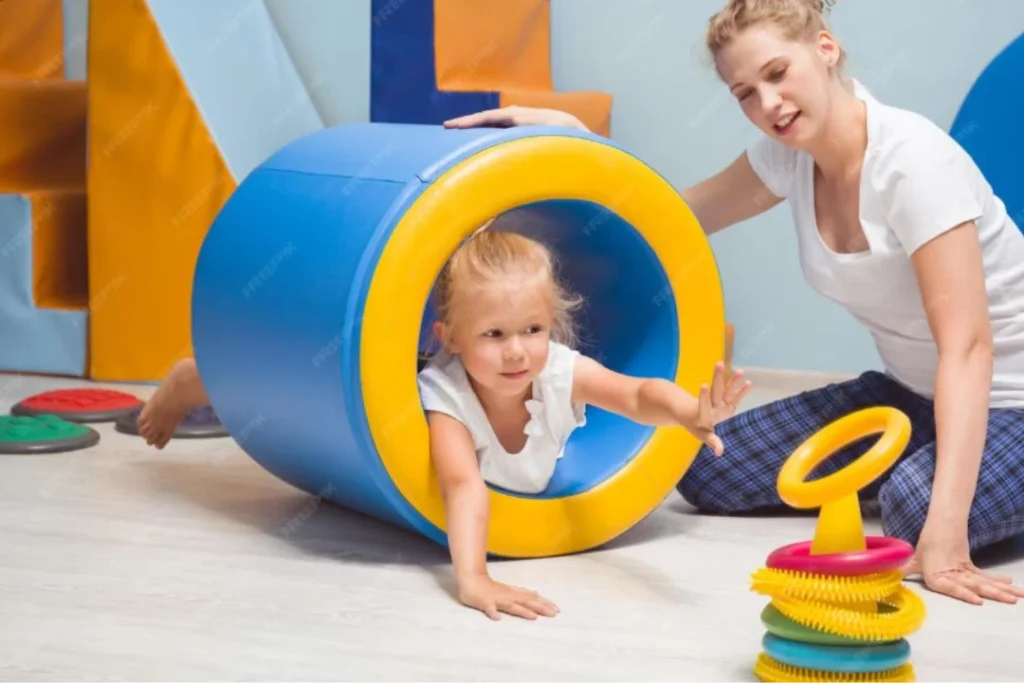
Early development of sliding motor skills improves physical coordination, cognitive abilities like spatial awareness, and social skills by enabling participation in playground games and group activities.
Conclusion: Sliding Motor Skill Early Stage
Understanding and nurturing sliding motor skill early stage is a vital part of a child’s physical and cognitive development. These early-stage skills provide a foundation for more complex movements and contribute to overall health, confidence, and social interaction.
By recognizing the importance of sliding motor skills and providing supportive environments, caregivers and educators can ensure children develop balance, coordination, and spatial awareness at an early age. Activities such as safe playground exercises, guided sliding practices, and play-based interventions can significantly enhance a child’s motor development.
Early monitoring and engagement allow for timely identification of challenges and the implementation of strategies to foster optimal growth. Ultimately, the sliding motor skill early stage sets the stage for lifelong physical competence and confidence, empowering children to explore, play, and learn effectively.